
By Steven Shaw, Founder of the Shaw Method
When it comes to learning to swim, many adults may feel apprehensive or overwhelmed. Traditional methods often focus on verbal instructions and visual demonstrations, which can leave learners struggling to translate theory into practice. Enter the Shaw Method, a revolutionary approach that priorities hands-on guidance as a core ingredient in swimming instruction. This method has proven to be the most efficient way for adults to learn to swim optimally.
The Power of Hands-On Guidance
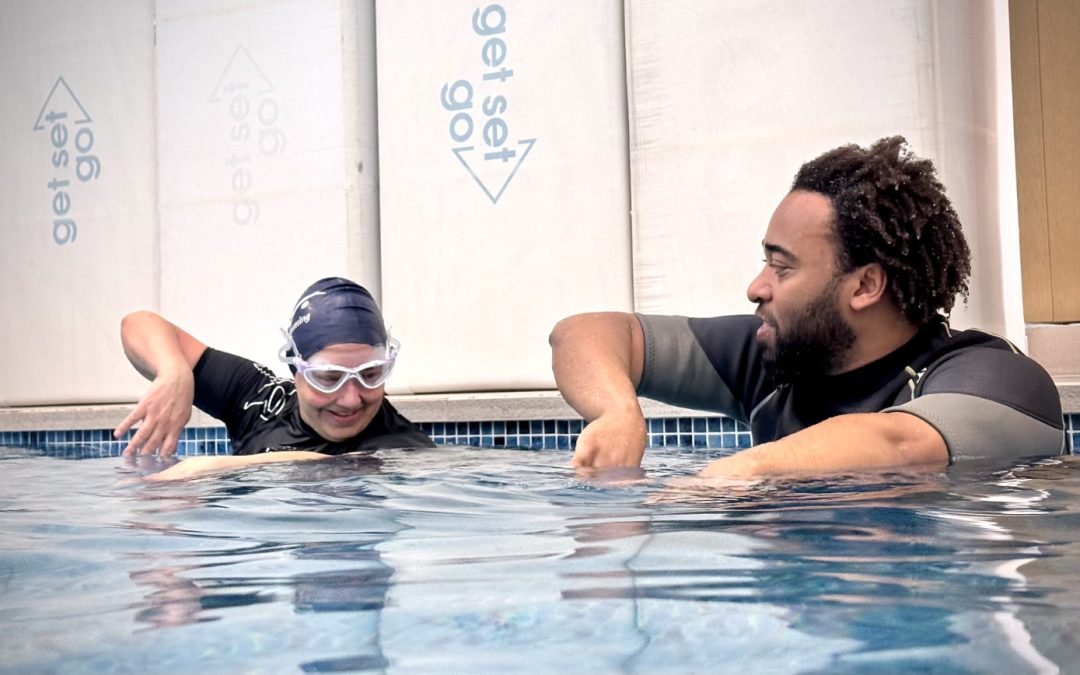
At the heart of the Shaw Method is the concept of hands-on guidance. This approach allows instructors to physically engage with learners, providing immediate feedback and support. By using their hands to guide the movements of their students, instructors help them experience effective techniques in real-time. This tactile interaction fosters a deeper understanding of how to swim efficiently, allowing adults to connect with their bodies in a way that verbal instructions alone cannot achieve. The expert hands-on guidance offered by Shaw Method teachers also fosters a sense of safety and ease, creating a supportive environment where learners can feel comfortable exploring their abilities in the water.
Experiencing Optimal Movement Patterns
One of the key benefits of hands-on guidance is that it enables learners to feel what optimal movement patterns look and feel like. When a student is guided through a stroke or a breathing technique, they can internalize the motions, establishing muscle memory that is crucial for effective swimming. This experiential learning process is particularly important for adults, who may have developed ingrained habits or fears that can hinder their progress. By experiencing success through guided practice, learners can replace these old patterns with new, more effective ones.
Building Muscle Memory
Establishing efficient muscle memory is essential for any skill, and swimming is no exception. The Shaw Method’s hands-on approach helps adults create a foundation of muscle memory that they can draw upon when swimming independently. Once a learner has felt the correct movement, they are far more likely to replicate that motion on their own. This leads to increased confidence in the water, allowing adults to swim with greater ease and proficiency.
The Foundation: The Alexander Technique
The foundation for the Shaw Method is rooted in the Alexander Technique, a highly effective hands-on method for teaching individuals to move their bodies in a freer, more efficient, and more conscious way. This technique emphasises awareness of body mechanics and promotes optimal movement patterns, which aligns perfectly with the goals of the Shaw Method. By integrating principles from the Alexander Technique, instructors can help students develop a greater sense of body awareness and control, further enhancing their swimming abilities.
Empowering Independent Learning
The ultimate goal of the Shaw Method is to empower learners to swim independently. Hands-on guidance equips adults with the skills and confidence they need to practice on their own. By reinforcing the effective movement patterns and techniques, students can continue to improve even when they are not in a lesson. This independence not only enhances their swimming abilities but also fosters a sense of accomplishment and enjoyment in the water.
Conclusion
In a world where many adults feel intimidated by the prospect of learning to swim, the Shaw Method offers a refreshing and efficient alternative. By prioritising hands-on guidance and drawing from the principles of the Alexander Technique, this revolutionary teaching approach allows learners to experience optimal movement patterns, build muscle memory, and ultimately swim with confidence and independence. If you’re ready to take the plunge and learn to swim more effectively, consider the Shaw Method as your pathway to success in the water. Embrace the power of hands-on guidance and discover a new way to swim well!