

Welcome to the Art of Swimming Academy - swimming lessons with the Alexander technique
At the Art of Swimming Academy, we teach adults how to move with confidence, ease, and joy in the water using the Alexander swimming technique. Unlike traditional approaches, the Alexander technique is gentle, mindful, and was further developed by our founder Steven Shaw into the Shaw Method. This unique method helps you reduce strain, build confidence, and develop a swimming stroke that feels natural, sustainable, and kind to your body.
What You Can Expect from the Alexander Technique
-
A supportive environment – Our warm, shallow pools and in-water teachers create the perfect space to learn at your own pace.
-
Step-by-step guidance – Each stroke is broken down into simple, manageable stages so you can master technique without pressure.
-
Personal attention – Small groups and 1-to-1 options mean we can tailor our teaching to your needs.
-
Whole-body learning – We focus on alignment, breathing, and buoyancy to help you swim with less effort and more freedom.
We teach through our EDGE method:
Explain the purpose → Demonstrate the technique → Guide your practice → Explore independently.

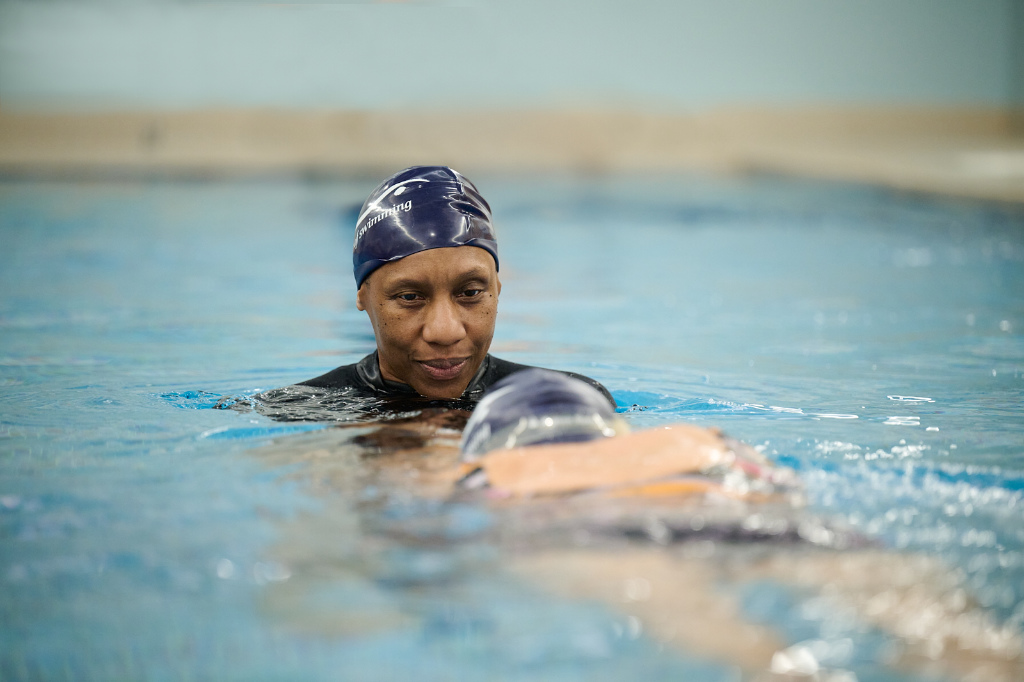
Common misconceptions about swimming with the Alexander technique
What You Won’t Find
- Shouting from the poolside.
-
Endless laps or drills.
-
Pressure to perform.
Instead, you’ll find encouragement, expert guidance, and a welcoming community of learners.
Our Guidelines for Alexander Technique Swimming Lessons
What We Ask of You
- Arrive on time, ready with swimwear and goggles.
- Keep an open mind and trust the process.
- Communicate with us about your progress and goals.
- Practice little and often between classes — short, regular sessions make all the difference.
Who are our Alexander Technique Swimming Lessons for?
This approach is ideal for:
-
Adults who never learned to swim and want to begin with confidence
-
Anyone who feels anxious or fearful around water
-
People managing back, neck, shoulder, or joint discomfort
-
Office-based professionals looking to improve posture and ease of movement
-
Triathletes and experienced swimmers seeking greater efficiency and flow
-
Anyone wanting a calmer, more mindful approach to swimming and wellbeing

Book an Alexander Technique Swimming lesson now
Learning to swim the Shaw Method way is about more than integrating the Alexander technique — it’s about transforming your relationship with the water. Whether you’re overcoming fear, building confidence, or refining your strokes, we’ll help you discover how swimming can become effortless, enjoyable, and empowering.
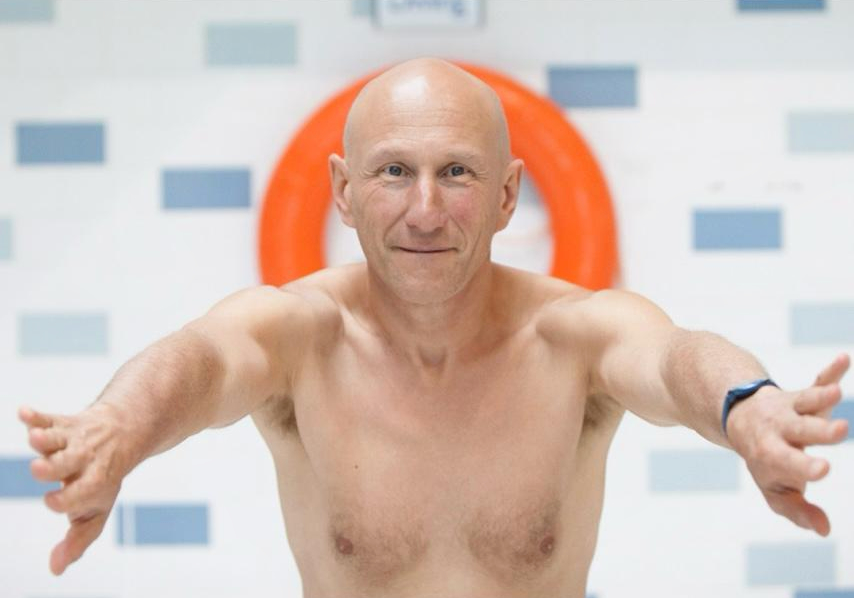
How the Alexander Technique Evolved into the Shaw Method
About our Founder Steven Shaw
The Shaw Method began when Steven applied the principles of the Alexander Technique—ease, alignment, and mindful movement—to his own swimming. After years of pain from competitive training, these principles helped him return to the water with comfort, clarity, and a renewed sense of freedom. What started as a personal transformation soon grew into a whole new way of teaching: a gentle, body-friendly approach that makes Alexander Technique swimming more efficient, enjoyable, and sustainable for everyone.
Frequently Asked Questions About Alexander Technique Swimming
What is the Alexander Technique and how does it improve my swimming?
The Alexander Technique teaches you how to let go of unnecessary tension and move with greater ease.
When applied to swimming, it helps you find a more natural relationship with the water, improving balance, posture, and efficiency. The result is calmer, smoother, and more enjoyable swimming.
How do Alexander Technique–based swimming lessons work?
Our lessons gently guide you through new movement experiences — first on land, then in the water.
Through mindful awareness, hands-on guidance, and simple, clear step-by-step practices, you learn how to swim with less effort, better coordination, and more confidence.
How can the Alexander Technique help reduce tension and improve body alignment in swimming?
Many swimmers unknowingly hold tension in the neck, back, or shoulders.
The Alexander Technique helps you identify these habits and replace them with balanced, aligned movement. With better posture and less strain, your strokes become more fluid and powerful.
Are Alexander Technique swimming lessons suitable for beginners or nervous swimmers?
Absolutely.
The Shaw Method was originally developed to help people feel safe, supported, and in control in the water. Our approach is gentle, body-kind, and ideal for anyone who wants to overcome fear, rebuild confidence, or learn to swim at their own pace.
What benefits can experienced swimmers gain from learning the Shaw Method?
-
smoother, more rhythmic strokes
-
improved breathing
-
reduced strain on the neck, shoulders, and lower back
-
better energy efficiency
-
increased mindfulness and body awareness
The method refines technique at a deep level so even strong swimmers find significant improvement.
How does the Alexander Technique support easier breathing and smoother movement in the water?
By encouraging natural head–neck alignment and a relaxed, expansive torso, the technique removes the tension that often interferes with breathing.
This leads to easier inhalation, calmer exhalation, and more coordinated whole-body movement, especially in strokes like crawl and backstroke.
Can the Alexander Technique help prevent shoulder, neck, or back pain in swimmers?
Yes.
By reducing compression and unnecessary effort, swimmers learn to move in a way that protects the joints and spine. Many people report dramatic reductions in pain as they adopt healthier, more integrated movement patterns in and out of the water.
What makes Alexander Technique–based swim training different from traditional swimming lessons?
Traditional lessons often focus on strength, stamina, or copying stroke shapes.
The Shaw Method takes a different approach — it teaches you how to use your body well, with ease, coordination, and buoyancy. Instead of forcing movements, you learn to release tension, rest into the support of the water, and allow efficient strokes to emerge naturally.