
Breaststroke Technique for Beginners and How to Improve
Swim breaststroke with ease, rhythm and support through the Shaw Method
Learn the breaststroke technique through a mindful, body-aware approach that prioritises ease, balance and coordination.
The Shaw Method reimagines breaststroke as a calm, joint-friendly stroke, helping you move with greater comfort and efficiency in the water. Whether you are learning for the first time or refining your technique, this guide offers clear principles you can apply straight away.
We also offer breaststroke lessons in London through our courses and workshops, supporting swimmers of all levels to develop confidence and enjoyment in the water.
Benefits of Learning Breaststroke with the Shaw Method
Unlike traditional approaches to breaststroke, the Shaw Method focuses on reducing strain and improving coordination through greater awareness of how the body moves in the water.
By integrating principles from the Alexander Technique, you learn how to organise your body more naturally — supporting better alignment, smoother movement and more relaxed breathing.
This creates a stroke that is gentle on the body, making it particularly supportive for those who may experience back or joint discomfort, or who are looking for a gentler, more sustainable way to swim.
The approach is both mindful and practical, bringing together movement, breath and awareness in a way that supports long-term ease and enjoyment in the water.
We offer both 6-week courses and 2-hour workshops in small groups, providing personalised guidance whether you are beginning or refining your technique.
What is the Breaststroke Technique?
Understanding Breaststroke Through the Shaw Method
The Shaw Method approaches breaststroke as a coordinated, flowing movement where the body works as a whole, rather than as separate parts.
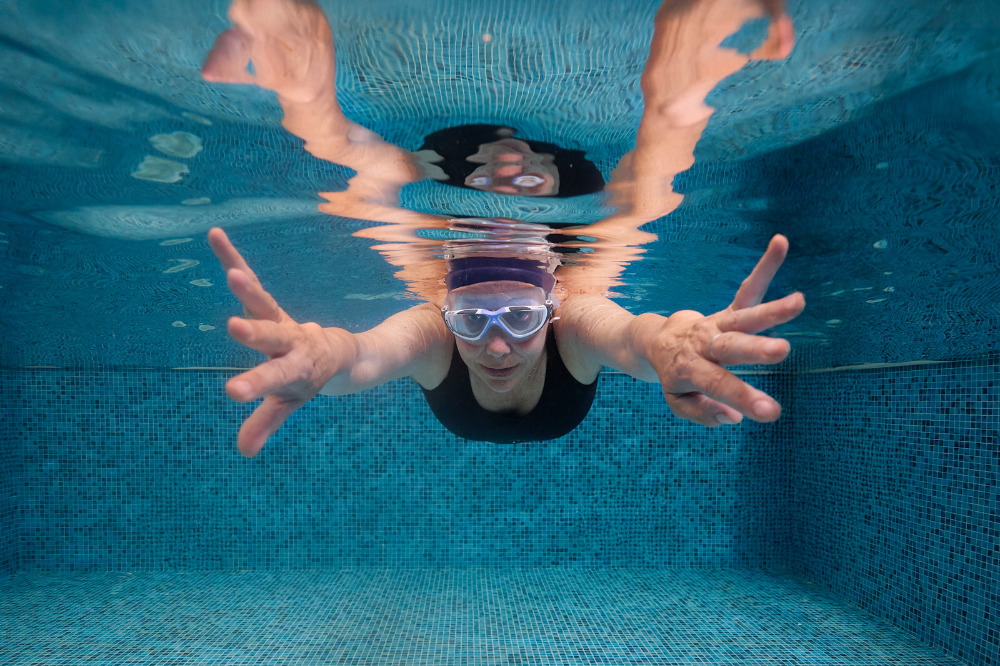
At its core is a gentle wave action — a natural rise and fall where the head, arms and legs are connected through timing rather than effort. The movement begins with the direction of the eyes, which guide the head and body.
As the body moves forward and down, the legs provide propulsion. As it returns upward, the arms support the movement, allowing the swimmer to come forward and up without strain.
Rather than pulling or pushing harder, the focus is on timing and connection. The arms, legs, head and breath work together in a continuous sequence.
Breathing is not forced — the movement itself creates the opportunity for the breath to arrive naturally.
easy, easy, easy… work… enjoy, enjoy, enjoy
Body Position and Balance
Breaststroke works best when the body is balanced and supported by the water, rather than lifted or held in tension. Allowing the body to remain long and buoyant reduces effort and helps maintain a smoother rhythm.
A common tendency is to lift the head and chest too much, which can create strain and disrupt balance. A more subtle rise and fall keeps the movement fluid and supported.
Arm Movement and Coordination
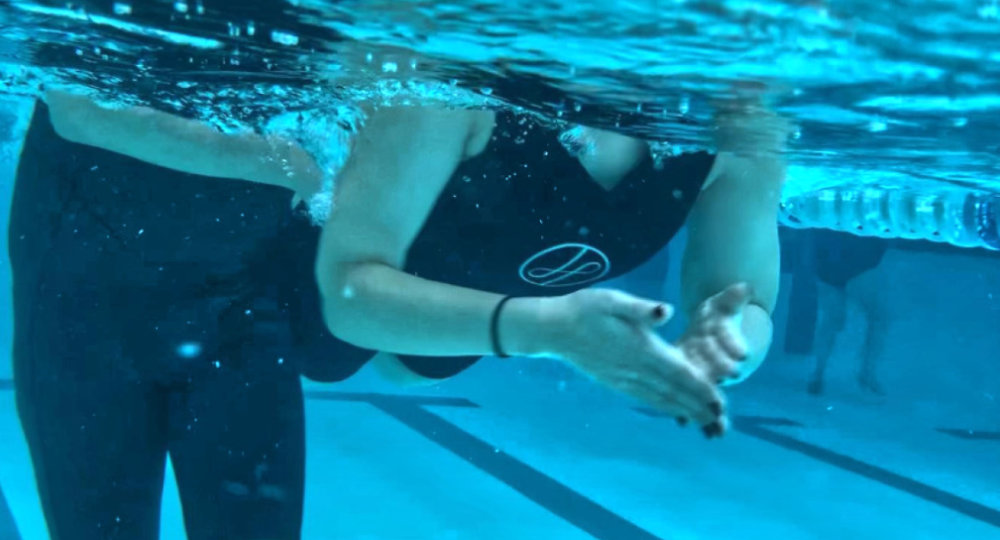
The arms move in a soft, circular pattern, helping to support lift and forward movement without force. The focus is on coordination rather than strength.
Pulling too hard or too wide can create tension and slow the stroke. A smaller, more controlled movement allows for better timing and flow.
Leg Action and Timing
The legs provide propulsion through a coordinated, flowing action rather than a forceful kick. Timing is key to maintaining rhythm.
Often described as “rear-wheel drive”, the legs support forward movement while the rest of the body remains balanced and relaxed. A well-timed leg action reduces unnecessary strain, particularly around the knees.

Breaststroke Breathing Tips for Beginners
Breathing in breaststroke is closely linked to the natural rise and fall of the stroke. When well coordinated, it becomes effortless and integrated, rather than something you need to control.
Breathing Through Movement
As the arms move and the body gently rises, the breath can come in naturally without lifting or forcing. Allowing the breath to follow the movement helps maintain balance and ease.
Staying Relaxed and Rhythmic
Rather than holding or controlling the breath, focus on a steady, relaxed rhythm. This supports a calmer nervous system and a more fluid swimming experience.
Avoiding Common Breathing Mistakes
A common tendency is to lift the head too much or create tension through the neck. Keeping the head aligned with the movement of the body allows the breath to arrive more easily and reduces unnecessary strain.
Full Stroke Coordination Explained
Breaststroke comes together through timing, rhythm and connection — where each part of the movement flows into the next.
In the Shaw Method, the stroke is not performed as separate actions, but as a continuous sequence. The legs provide propulsion as the body moves forward and down, while the arms support the return upward, allowing the breath to arise naturally.
A key principle is avoiding overlapping effort. When the arms and legs both try to “work” at the same time, the movement becomes blocked. Instead, the stroke alternates between propulsive and non-propulsive phases, creating a smooth, wave-like rhythm.
The focus is not on force, but on coordination:
- the head leads the movement
- the legs initiate propulsion
- the arms support lift and breathing
- the body returns to a balanced glide
Rather than thinking in rigid steps, the aim is to feel a continuous flow — where each part connects to the next without interruption.
Common Beginner Mistakes
Lifting the Head Too High
A common tendency is to lift the head too far out of the water when breathing. This causes the hips and legs to drop, creating resistance and making the stroke more tiring.
Allow the head to follow the natural rise of the stroke, rather than lifting it independently. A smaller, more integrated movement helps maintain balance and ease.
Poor Timing Between Arms and Legs
Breaststroke relies on coordination rather than effort. When the arms and legs try to work at the same time, the movement becomes blocked and inefficient.
In the Shaw Method, the stroke alternates between phases — the legs provide propulsion, and the arms support the return and breath. This separation creates a smoother, more flowing rhythm.
Inefficient Leg Action
Many swimmers turn the knees too wide or lose connection through the feet, reducing propulsion and placing unnecessary strain on the joints.
A more controlled, coordinated leg action — often described as “rear-wheel drive” — allows the legs to support forward movement without excessive effort.
Skipping the Glide Phase
Moving too quickly into the next stroke can make breaststroke feel rushed and tiring. The glide is where the body travels forward with minimal effort.
Allowing a brief moment of glide helps maintain rhythm, conserve energy and improve overall efficiency.
Holding the Breath
Holding the breath or rushing it can create tension and disrupt the flow of the stroke.
Instead, allow the breath to arise naturally as part of the movement. A steady rhythm of breathing supports relaxation and a calmer nervous system.
Swimming with Too Much Tension
Breaststroke should feel smooth and fluid rather than rigid. Excess tension in the body reduces movement quality and increases resistance in the water.
Focusing on ease, coordination and awareness allows the stroke to become lighter, more efficient and more enjoyable.
Breaststroke Lessons for Adult Beginners in London

Level 1: Shaw Method Breaststroke Lessons for Adult Beginners in London
Who’s it for?
For adult beginners or those new to the Shaw Method.
In our lessons, you’ll learn how to:
• Move with less effort and more support in the water
• Develop a smooth, coordinated stroke
• Reduce strain in the neck, shoulders and knees
• Integrate relaxed, natural breathing
• Build confidence and enjoyment
Level 2: Refine Your Breaststroke Technique – Lessons for Improvers in London
Who’s it for?
For swimmers who are comfortable in the water and want to refine their technique.
In our lessons, you’ll learn how to:
• Improve timing and coordination
• Swim with greater ease over distance
• Reduce effort while increasing efficiency
• Develop a more fluid, sustainable stroke
• Gain confidence in your technique
Frequently Asked Questions About Breaststroke Technique
Is breaststroke bad for your knees?
When performed with strain or poor coordination, breaststroke can place pressure on the knees. The Shaw Method teaches a more natural, balanced movement that helps reduce unnecessary stress.
Why does breaststroke feel tiring?
Breaststroke often feels tiring when too much effort is used. Learning to work with the water rather than against it makes the stroke feel lighter and more sustainable.
Is breaststroke suitable for beginners?
Yes. With the right guidance, breaststroke can be a calm and accessible way to build confidence in the water.
How can I improve my breaststroke technique?
Focusing on coordination, timing and relaxation — rather than strength — is key. Guided practice helps develop a more efficient and enjoyable stroke.